 Posted by
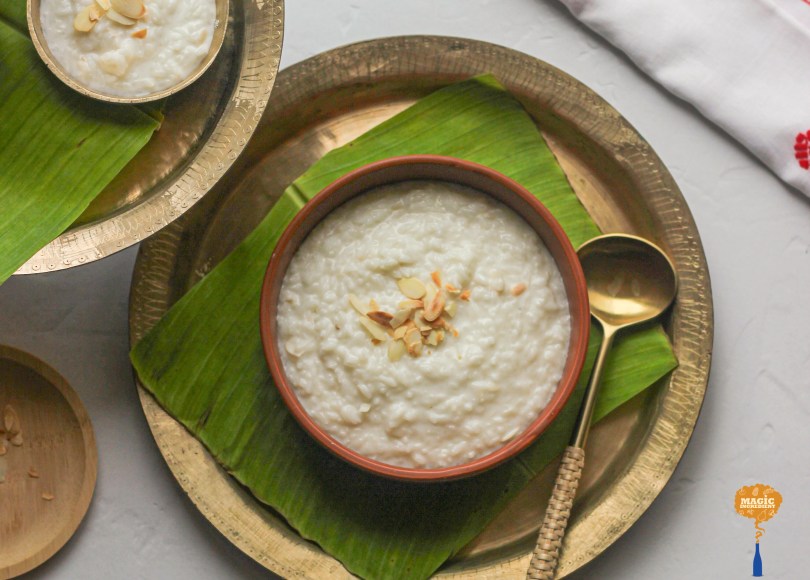
 As the fragrance of fresh pithas fills the air and the beats of the dhol mark the arrival of Rongali Bihu, I find myself thinking deeply about something simple yet sacred — rice. What better than a warm or chilled bowl of payokh, Assamese rice pudding?
Today, as Assam steps into a new year with hopes and harvests, it feels right to take a moment to reflect on the grain that defines so much of our life, our land, and our culture. Rice is more than just a staple in Assamese households. It is our story of toil, tradition, and togetherness.
In every corner of Assam, rice is part of every celebration, every prayer, every meal. But its significance goes far beyond the plate. At Assam Agricultural University, where I once heard a professor speak passionately about the value of rice, I witnessed something profound. A few grains spilled onto the table as he sat for lunch at the department. Without a second thought, he gently picked them up and ate them. “Every grain matters,” he said softly. “We should not waste even one.” That image has stayed with me. It wasn’t just about manners — it was a quiet act of respect, a reminder of the hard work of countless farmers who bend under the sun, sowing and harvesting so that we may eat.
Rice connects us across regions, languages, and traditions. In Tamil Nadu, it’s pongal. In Bengal, payesh. In Kerala, payasam. In Odisha, it becomes kheeri. In Assam, we call it payokh. Different names, different styles — but the heart remains the same. Rice and milk, simmered together, sweetened with love and memory. A dish that transcends state lines and draws us all to the same table.
This year, my celebration is simple. A bowl of payokh — rice pudding, warm and fragrant, reminding me that sometimes, the most ordinary things are also the most extraordinary.
As we welcome the Assamese New Year, may we also welcome a renewed sense of gratitude for the food on our plates, the farmers in our fields, and the grains that bind us together as one.
Happy Bihu. Let’s celebrate rice — not just by eating it, but by honoring it.
Preparation time: 10-12 minutes
Cooking Time: 10-15 minutes
Serves: 5-6

Payokh with Coconut Milk
Ingredients:
- Joha rice (or any short-grain aromatic rice) ½ cup
- Water 2 cups
- Ghee 1 tbsp
- Thick coconut milk (fresh or canned) 1 ½ cups
- Thin coconut milk (or more water) ½ cup
- Sugar (adjust to taste) ¼ cup
- Green cardamom pods (crushed) 1-2
- A pinch of salt
- Chopped nuts or raisins (optional, for garnish)
Method:
- Rinse the rice 2–3 times and soak it for about 30 minutes. This helps it cook faster and more evenly.
- In a heavy-bottomed pan, add ghee and fry the nuts.
- Add the soaked rice and continue frying for a few seconds. Add the thin coconut milk (or water) and continue to cook until the mixture thickens and the rice is fully cooked.
- Lower the heat and add thick coconut milk, jaggery or sugar, cardamom, and a pinch of salt. Stir gently and cook for another 5–7 minutes.
- Don’t let it boil after adding the thick coconut milk — simmer on low to preserve its flavor and texture.
- Optionally, mix in some grated coconut and stir gently. Turn off the heat and let it sit for 5–10 minutes before serving.
- Garnish with chopped nuts, raisins, or just enjoy it plain and pure.
Discover more from Magic Ingredient
Subscribe to get the latest posts sent to your email.
 Magic Ingredient
Simple is often the most satisfying!
LikeLiked by 1 person
Absolutely agree with you
LikeLike