 Posted by
 When people see a beautiful food photograph, they usually notice the final image first.
The glossy sauce.
The perfectly placed garnish.
The plate that looks balanced but not forced.
The colours, textures and details that make the food look fresh, inviting and camera-ready.
But before any of that appears on camera, there is a process behind it. That process is where a professional food stylist comes in.
A food stylist does much more than “make food look pretty.” The role begins much earlier than the shoot day and continues until the final dish is placed in front of the camera. It involves understanding the client’s brief, planning the visual direction, choosing the right surfaces and props, thinking through plating ideas, working with the photographer, and ensuring every dish looks its best in the frame.
For a professional food shoot in the UAE, especially for restaurants, hotels, brands, and F&B campaigns, food styling is not just making food look good. It is visual communication.
Before the day of the shoot, a lot has to be taken care of, from finalizing the moodboard to prop hunting. But today I am going to talk about plating in brief and its importance. I am sharing images from one of my shoots, which was with a talented photographer named Atira. She is a professional food photographer and has several years of experience in this industry. This was one of the few projects we worked on together.
Plating Is an Integral Part of Food Styling
On the day of the shoot, plating needs a lot of attention.
The way food looks to the eye and the way it looks through the camera are not always the same. A plate may look beautiful in person, but through the lens, one element may feel too heavy, too flat, or too distracting.
This is why I take time with every dish.
In the behind-the-scenes moments from this Italian restaurant shoot, you can see me carefully choosing the right pieces to place on the plate. That may look like a small decision, but these small decisions affect the final image.
Not every basil leaf works.
Not every tomato sits well.
Not every piece of pasta falls beautifully.
Not every garnish has the right shape, colour or freshness.
A food stylist looks at these details with the camera in mind.
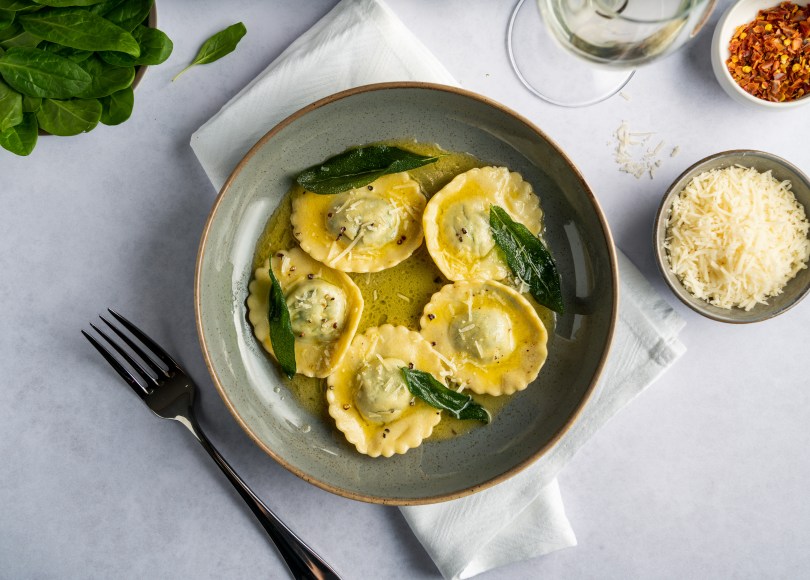
Plating is not only about arranging food. It is about creating balance, height, texture, movement and focus. The hero ingredient should be clear. The dish should feel appetising. The plate should have enough detail to hold attention without looking overcrowded.
From Plate to Prepared Set
Once the plating is complete, the finer details are taken care of.
I check the sauce, the edges of the plate, the texture of the food, the placement of the main ingredient, and the overall balance. After that, the dish is placed on the prepared set.
Sometimes the garnish is added only after the dish is set. This gives better control because the final placement depends on the camera angle, lighting, and composition.
A garnish should never feel like an afterthought. It should belong to the dish and complete the image.
This is one of the most important parts of food styling. The dish must look beautiful, but it also has to make sense. It should feel fresh, natural, and true to the food.
Discover more from Magic Ingredient
Subscribe to get the latest posts sent to your email.
 Magic Ingredient