 Posted by
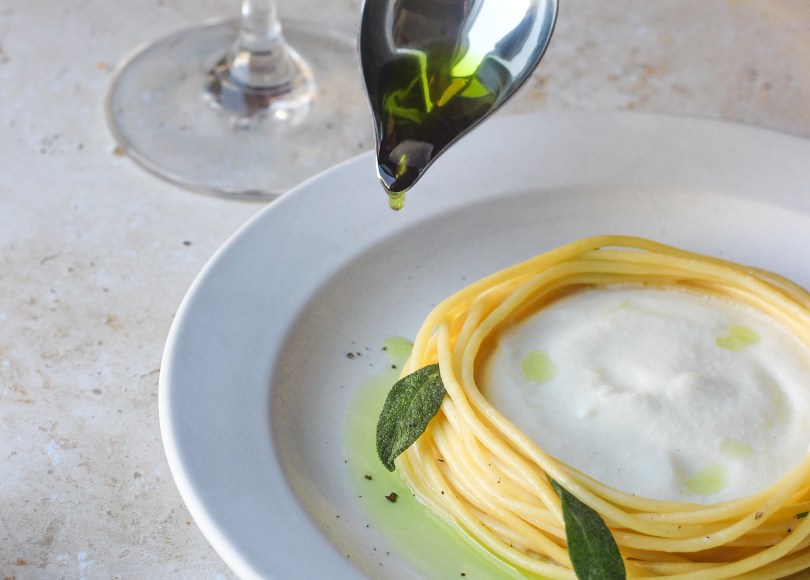
 Fresh herb oils are one of those quiet kitchen skills that instantly elevate both cooking and food styling. Dill oil, in particular, brings a clean, grassy freshness with a subtle anise note that works beautifully across modern, Nordic, Middle Eastern, and contemporary plates.
For food stylists, herb oils are more than flavour — they are tools for colour, movement, and finish. A single drizzle can bring life to a neutral dish, add contrast to creamy elements, and guide the eye across a plate.
This dill oil recipe is simple, quick, and produces a bright green, restaurant-style oil that looks as good as it tastes.
Why Dill Oil Matters (From a Food Stylist’s Perspective)
Knowing how to make herb oils gives complete control over:
- Colour intensity (fresh vs muted greens)
- Texture and viscosity (for drizzling, brushing, or dotting)
- Consistency across shoots
Clean, natural garnishing without relying on artificial sauces
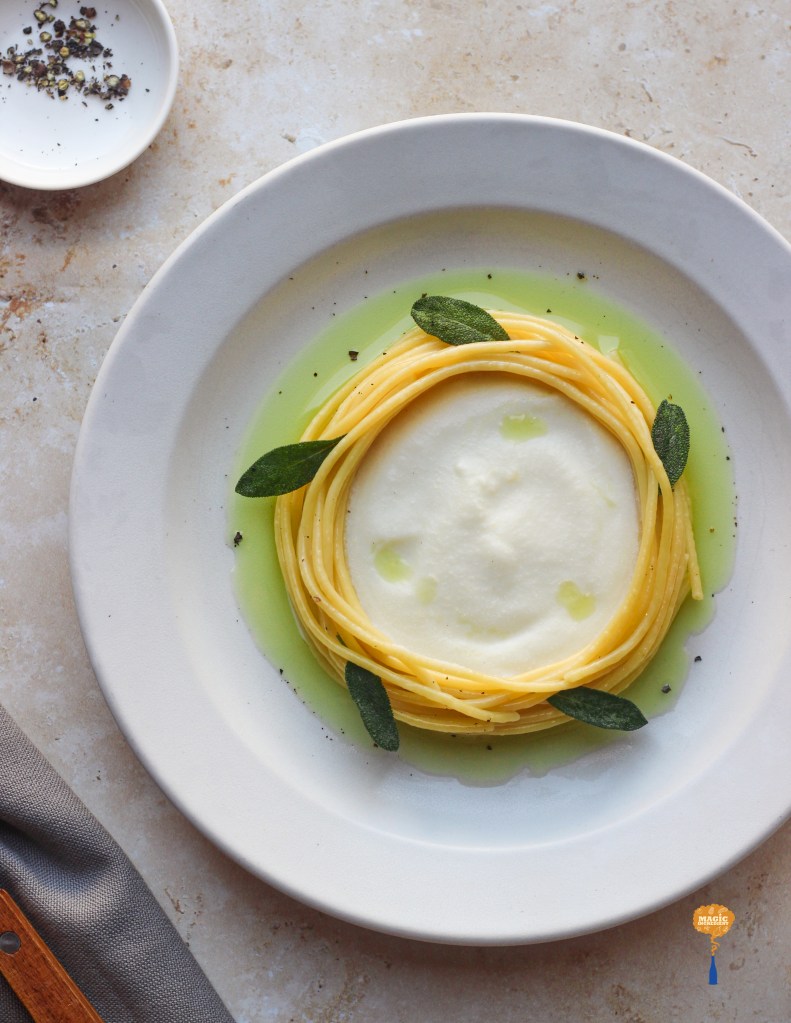
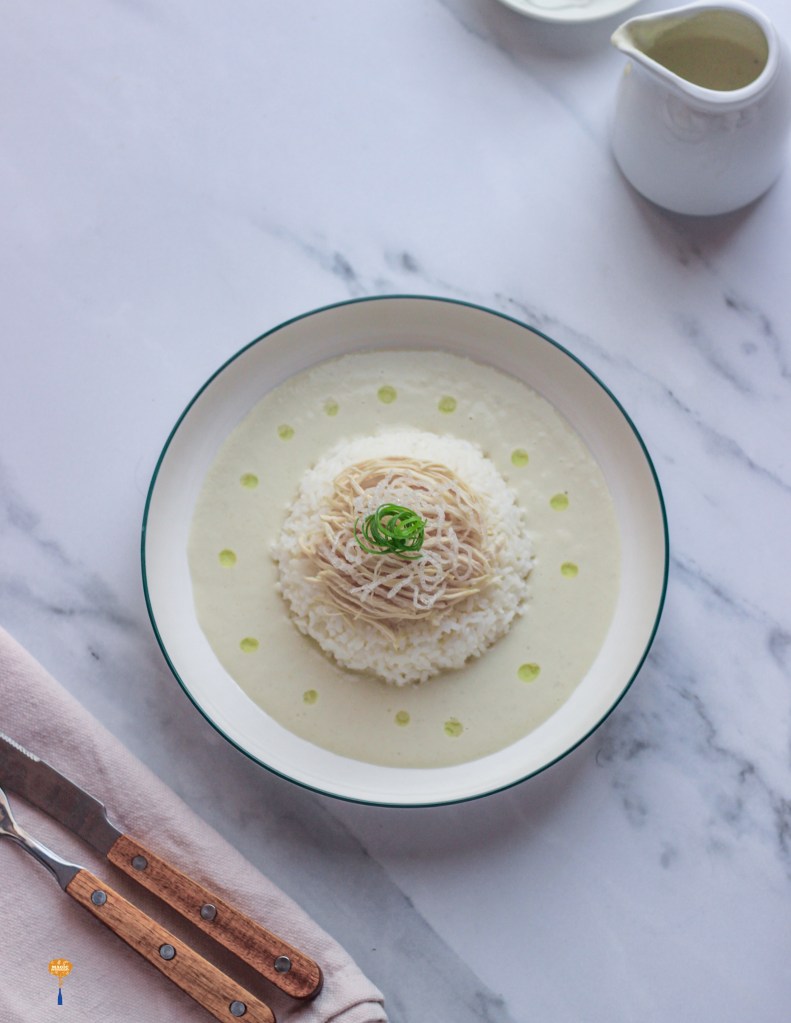
Dill oil works especially well when styling light-colored dishes — such as risottos, creams, fish, eggs, and grains — where contrast is visually important.
Use dill oil for:
- Plate dots
- Brush strokes
- Swirls around neutral bases
It photographs beautifully under natural light.
Herb oils, such as dill oil, are small details that make a big difference — on the plate and on camera. For food stylists, mastering these basics allows flexibility, creativity, and consistency across shoots, whether styling for restaurants, brands, or editorial work.
Once you start making your own, it’s hard to go back.
Ingredients
- Fresh dill (leaves and tender stems) 1 bunch
- Neutral oil (grapeseed, sunflower, or light olive oil) ¾ cup
- Ice water (for blanching)
Instructions
- Wash the dill thoroughly to remove dirt. Pat dry well — excess water can dull the colour.
- Bring a small pot of water to a boil. Add the dill and blanch for 10–15 seconds only. Immediately transfer the dill into ice water to stop cooking. This step locks in the bright green colour.
- Remove dill from ice water and squeeze gently. Pat completely dry using a kitchen towel — this is key for a clean oil.
- Add the blanched dill and oil to a high-speed blender. Blend for 2–3 minutes until fully smooth and vibrant green. Pour the blended oil into a small saucepan. Heat gently on low flame for 3–5 minutes, just until warm — never boiling.
- This helps extract colour and flavour. Strain through a fine sieve or muslin cloth without pressing too hard. Let it drip naturally for a clear, clean oil. Transfer to a sterilised glass bottle. Store refrigerated for up to 7–10 days.
Discover more from Magic Ingredient
Subscribe to get the latest posts sent to your email.
 Magic Ingredient
Pretty as a picture!
LikeLike