 Posted by
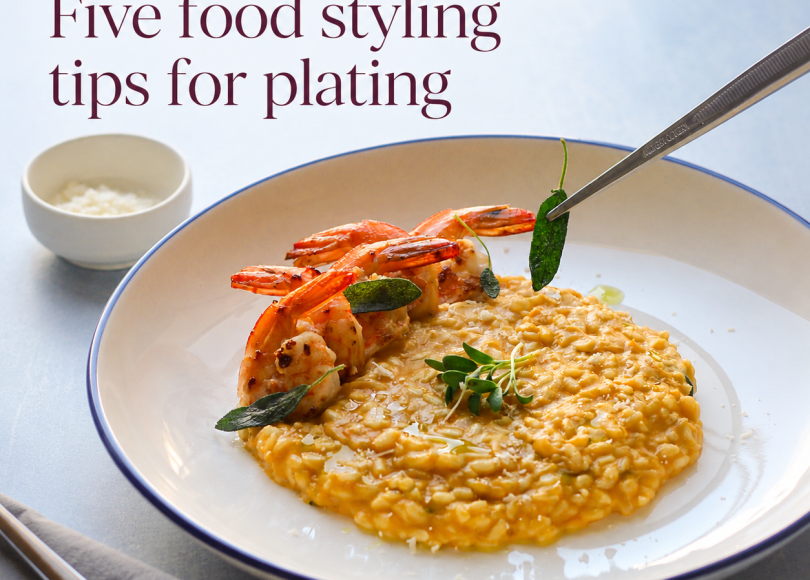
 Fine dining plating is about creating a plate that feels thoughtful, elegant, and balanced. It is not always about using expensive ingredients or complicated techniques. Sometimes, the difference between a regular plate and a restaurant-style plate is how the food is arranged, how much space is left around it, how the sauce is placed, and how the garnish completes the story.
As a food stylist, I look at plating not only from the point of view of taste, but also from the point of view of the camera. A plate may look beautiful in real life, but once it is photographed, every detail becomes more visible. The sauce, the texture, the colour, the height, and even the space on the plate all matter.
Whether you are styling food for a restaurant shoot, creating content for social media, or plating a special meal at home, these five fine dining plating tips can help you make your dish look more elegant and camera-ready.
1. Start with Negative Space
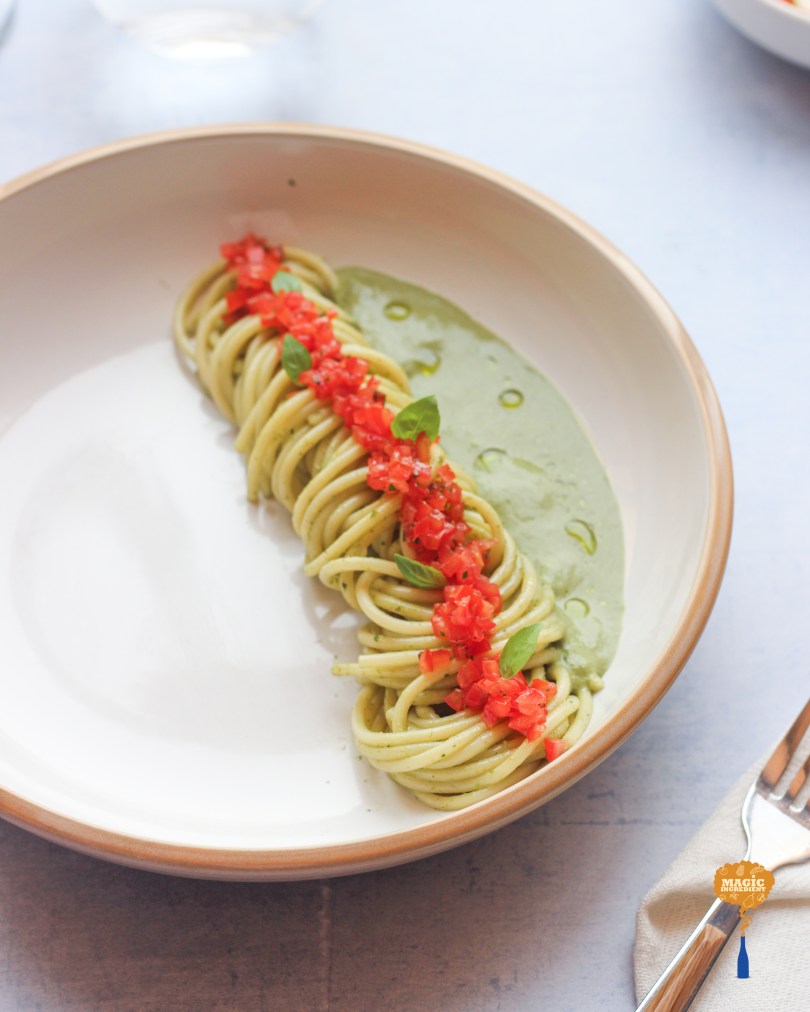
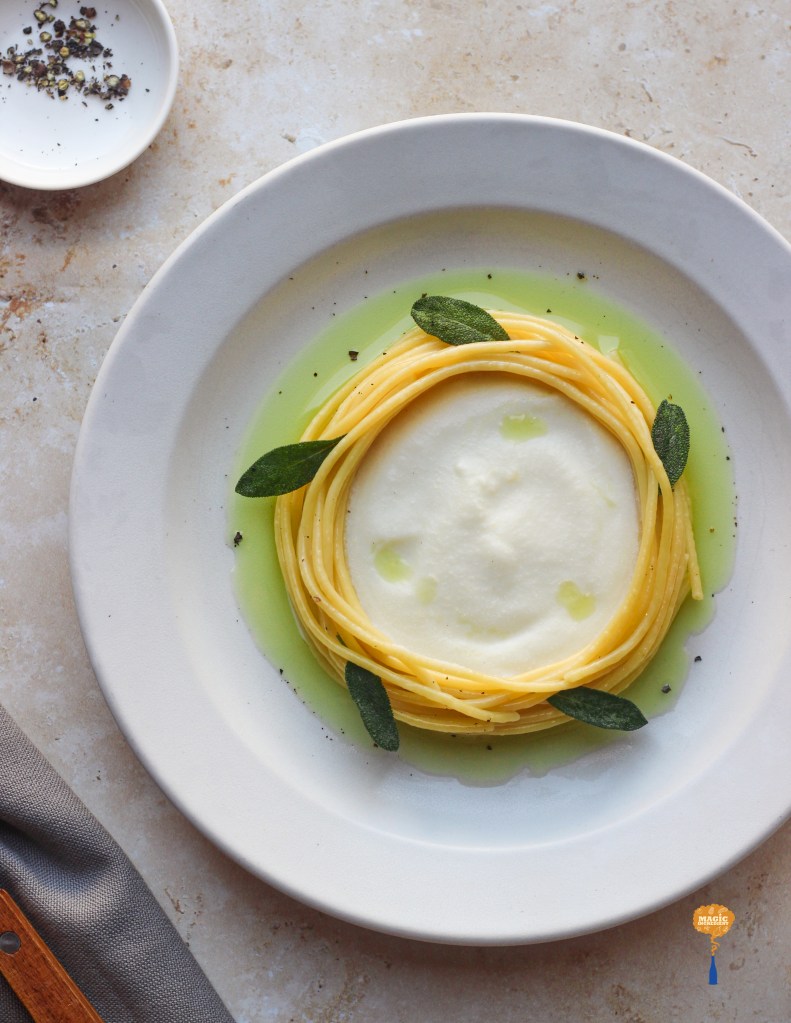
One of the most important fine dining plating tips is to leave enough space on the plate. This space is often called negative space. It gives the food room to breathe and makes the plate look more refined.
When a plate is too full, the eye does not know where to look first. The dish can start to look heavy, crowded, or casual. In fine dining plating, the main element needs to stand out clearly. That could be a piece of fish, a lamb chop, an eggplant steak, a dessert, or even a beautifully shaped salad.
Negative space helps create focus. It makes the food look intentional.
2. Create Height, But Keep It Controlled
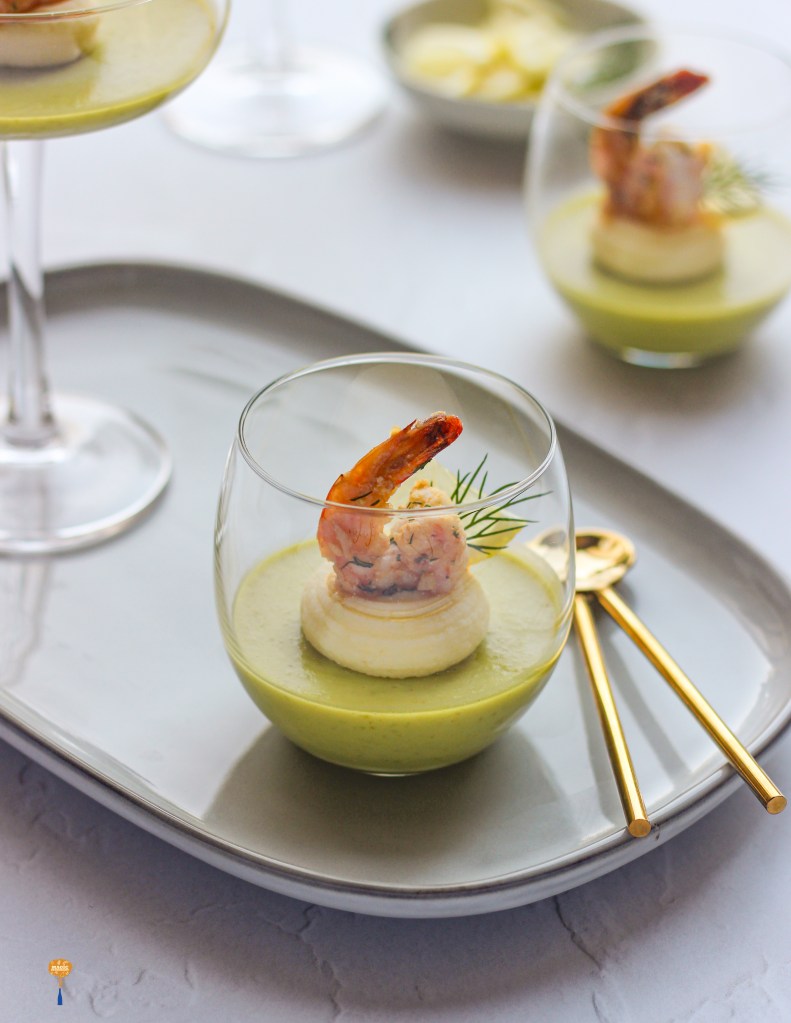
Height is one of the easiest ways to make a plate look more elegant. A flat plate can sometimes look ordinary, even when the food tastes delicious. Adding height gives the dish structure and makes it more visually interesting.
But height should always feel controlled. If the food looks unstable, messy, or forced, the plate loses its elegance.
There are many simple ways to create height in food styling. You can lean a protein against a puree, stack vegetables gently, pipe mashed potatoes, fold cucumber ribbons, place herbs upright, or arrange crispy elements on top. Even a small lift can make the dish look more professional.
3. Use Sauce with Purpose
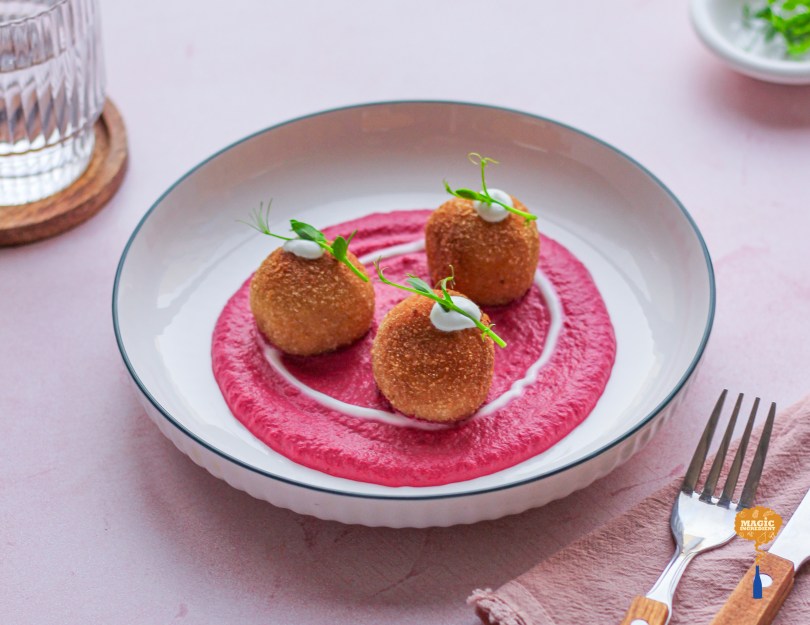
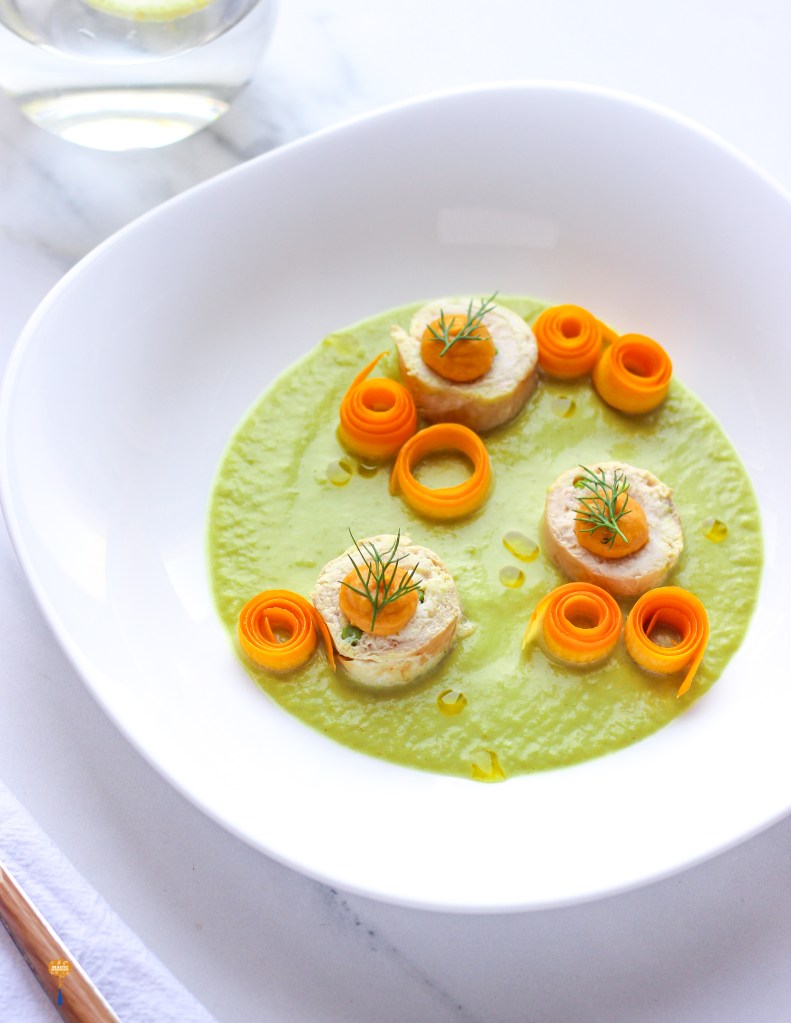
Sauce can completely change the look of a plate. It can make a dish look rich, elegant, colourful, and restaurant-style. But too much sauce can also make the plate look messy.
In fine dining plating, sauce should guide the eye. It should not flood the plate.
There are many ways to use sauce beautifully. You can create a smooth base with a spoon, make small dots with a squeeze bottle, brush a sauce across the plate, or drizzle it carefully around the main ingredient. The style depends on the dish and the story you want to create.
4. Balance Colour and Texture
A beautiful plate needs contrast. This is one of the most important aspects of both food styling and fine-dining plating.
Think about colour first. If everything on the plate is brown or beige, the food may taste wonderful, but look flat in a photograph. Adding a small amount of green, red, yellow, purple, or white can bring life to the plate.
This does not mean adding random colours. The colours should still belong to the dish. For example, green hummus works beautifully with roasted eggplant.
5. Garnish a dish like It Belongs
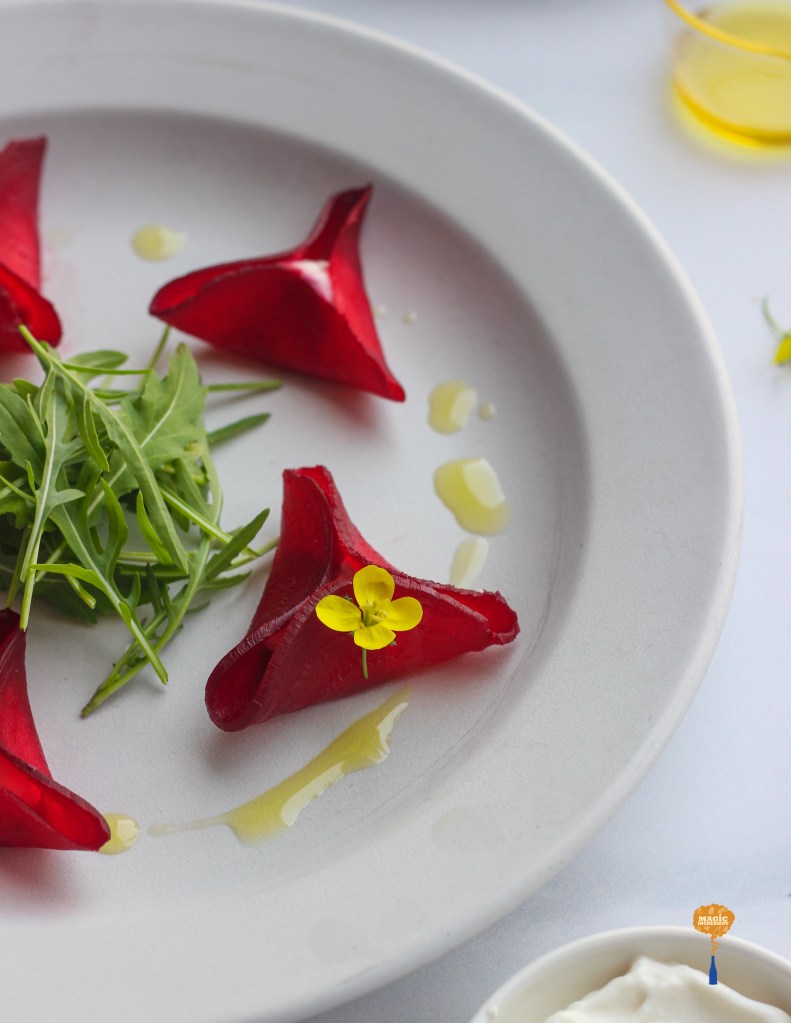
Garnish is often where plating goes wrong. A garnish should never feel like an afterthought. It should add beauty, flavour, texture, or meaning to the dish.
In fine dining plating, every garnish should look like it belongs there.
Fresh herbs, edible flowers, microgreens, citrus zest, toasted nuts, seeds, spice dust, herb oil, and dried petals can all be beautiful. But they need to connect with the flavour and mood of the dish. For example, dried rose blooms work beautifully with rose milkshakes, Middle Eastern desserts, and floral drinks.
Final Thoughts
Fine dining plating is about control, balance, and intention. You do not need to make the plate complicated. You need to make every element feel like it has a reason to be there.
Start with negative space. Build a controlled height. Use the sauce with purpose. Balance colour and texture. Choose garnishes that belong to the dish.
These small food styling decisions can make a simple plate look elegant, premium, and camera-ready.
As a food stylist in the UAE, I often work with dishes that need to look beautiful for photography, social media, menus, campaigns, and special occasions. Every plate tells a story, and styling helps that story become clear before the first bite.
Whether you are a home cook, content creator, chef, or restaurant brand, thoughtful plating can transform how your food is perceived.
Save these plating tips for your next shoot, dinner setup, or special occasion plate.
Discover more from Magic Ingredient
Subscribe to get the latest posts sent to your email.

